
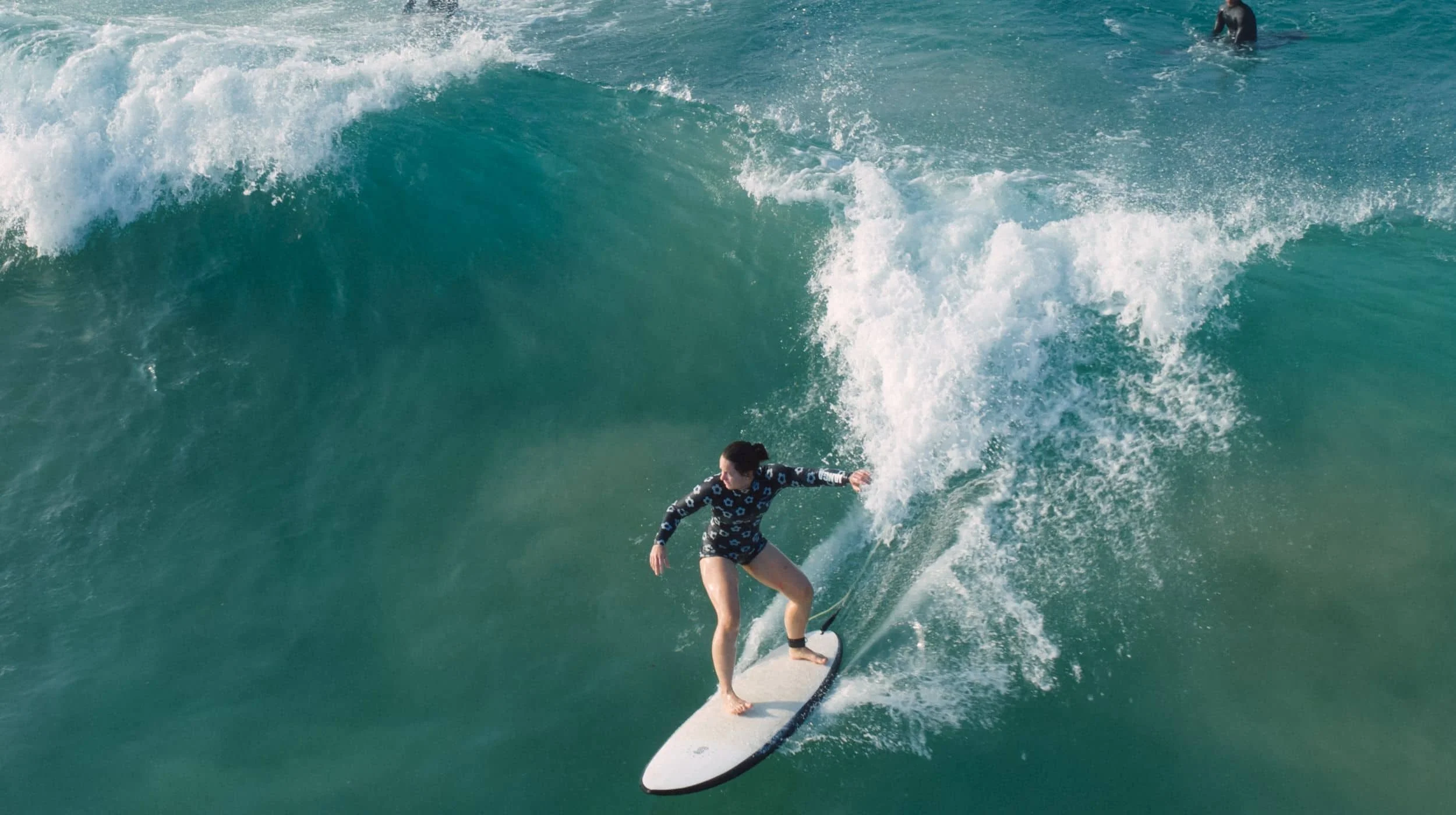
Intermediate Surf Lessons & Coaching in Sri Lanka
You're catching green waves independently, comfortable paddling into the lineup and beginning to understand where you need to be. Our intermediate surf lessons are less about simply catching a wave and more about what you do with it.
Explore Surf PackagesCatch better waves. Make better decisions
Better positioning. Better wave selection. More speed. More control. Better turns. More confidence at unfamiliar breaks.
Our intermediate surf coaching is designed to help you refine the surfing you already have and understand what you need to work on next.
Surf with more purpose.
It's more than being able to stand up on a green wave
Surf levels can be confusing. One surf school might call you intermediate while another considers you an advanced beginner. For us, the label matters less than what you can actually do in the water.
- Independent paddlingYou can paddle out without assistance and catch unbroken waves on your own.
- Lineup understandingYou understand how a lineup works and can position yourself rather than relying on a coach.
- Enough controlYou have enough board control to surf safely around others and are beginning to intentionally use the open face.
You don't need to do everything perfectly. You're here because there's still plenty to improve.
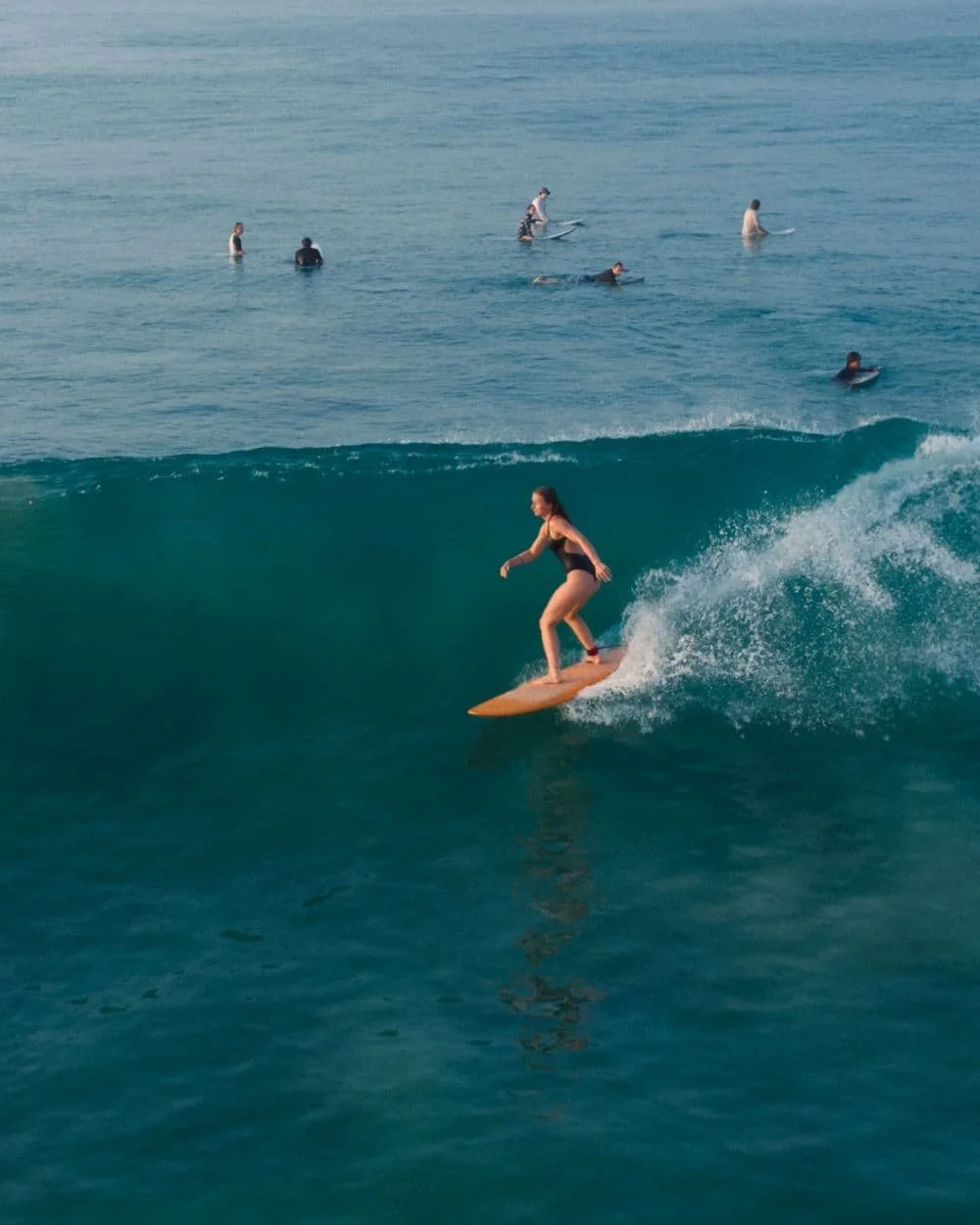
Is Intermediate Coaching Right for Me?
You may be ready for our intermediate groups if you can already do most of the following.
Don't worry about choosing your level perfectly before you arrive. We'll ask about your experience beforehand, and our coaches will assess your surfing once you're in the water. We coach the surfer we see, not the level written on the booking form.
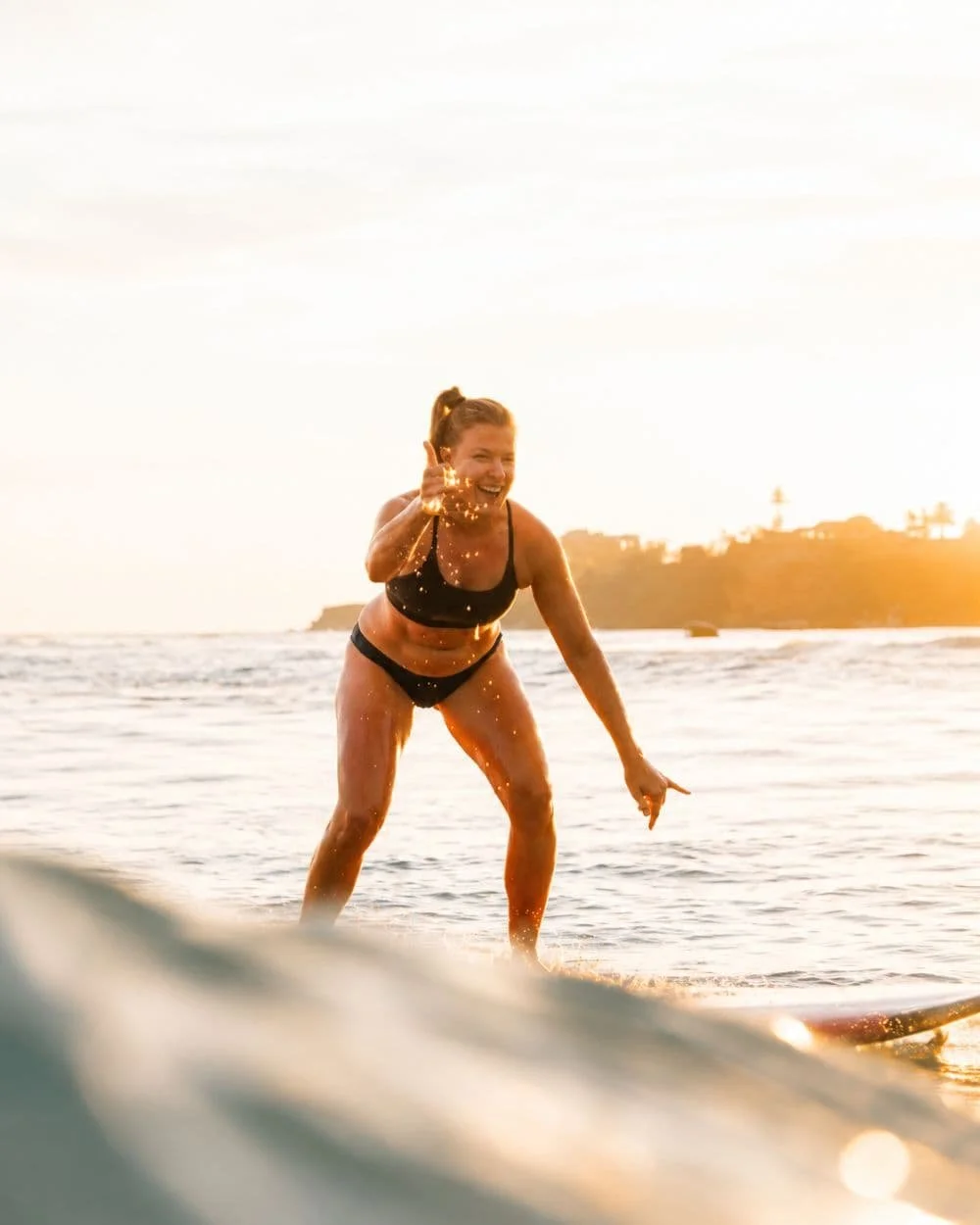
That's what Green Wave Progression is for
If you're starting to catch unbroken waves but still need help with positioning, wave selection, paddle timing or catching them consistently, our Green Wave Progression group may be a better place to start. There's no benefit in rushing into an intermediate group, building strong foundations will help you progress faster.
Explore Green Wave ProgressionWhat Will We Work On?
At this stage, improvements become smaller but much more powerful, a few metres of position, an earlier paddle, a better wave choice. Your coaching becomes more individual, because two intermediate surfers can catch the same wave and need to work on completely different things. The goal isn't to collect techniques, it's to make them work together.
Wave Selection
Become more selective and recognise which waves are actually worth paddling for.
Positioning
Understand where to sit relative to the peak and adjust as conditions change.
Paddle Timing
Improve when and how you paddle so you're matching the wave, not fighting it.
Take-Offs
Develop more confident, controlled take-offs in the direction you want to surf.
Line & Speed
Understand where to place yourself on the wave to maintain and generate speed.
Bottom Turns
Build the foundation for redirecting your board and setting up what comes next.
Top Turns
Develop more control when changing direction higher on the wave.
Body Position
Understand how your head, shoulders, arms, hips and weight affect your board.
Reading Waves
Anticipate what the wave is going to do rather than reacting after it happens.
Lineup Strategy
Understand how peaks shift and make better decisions around other surfers.
Where Will We Surf?
Not every intermediate surfer needs the same wave. One wants to work on turns, another needs confidence at reef breaks, someone else wants slower waves to practise positioning. That's why our intermediate programme isn't built around one fixed spot.
Our intermediate groups move between different beach and reef breaks along the south coast depending on swell, wind, tide, crowds, group ability and what you're working on. We never guarantee a particular break, surfing doesn't work like a fixed itinerary. The goal isn't to visit the most spots, it's to put you on the waves that make sense that day.
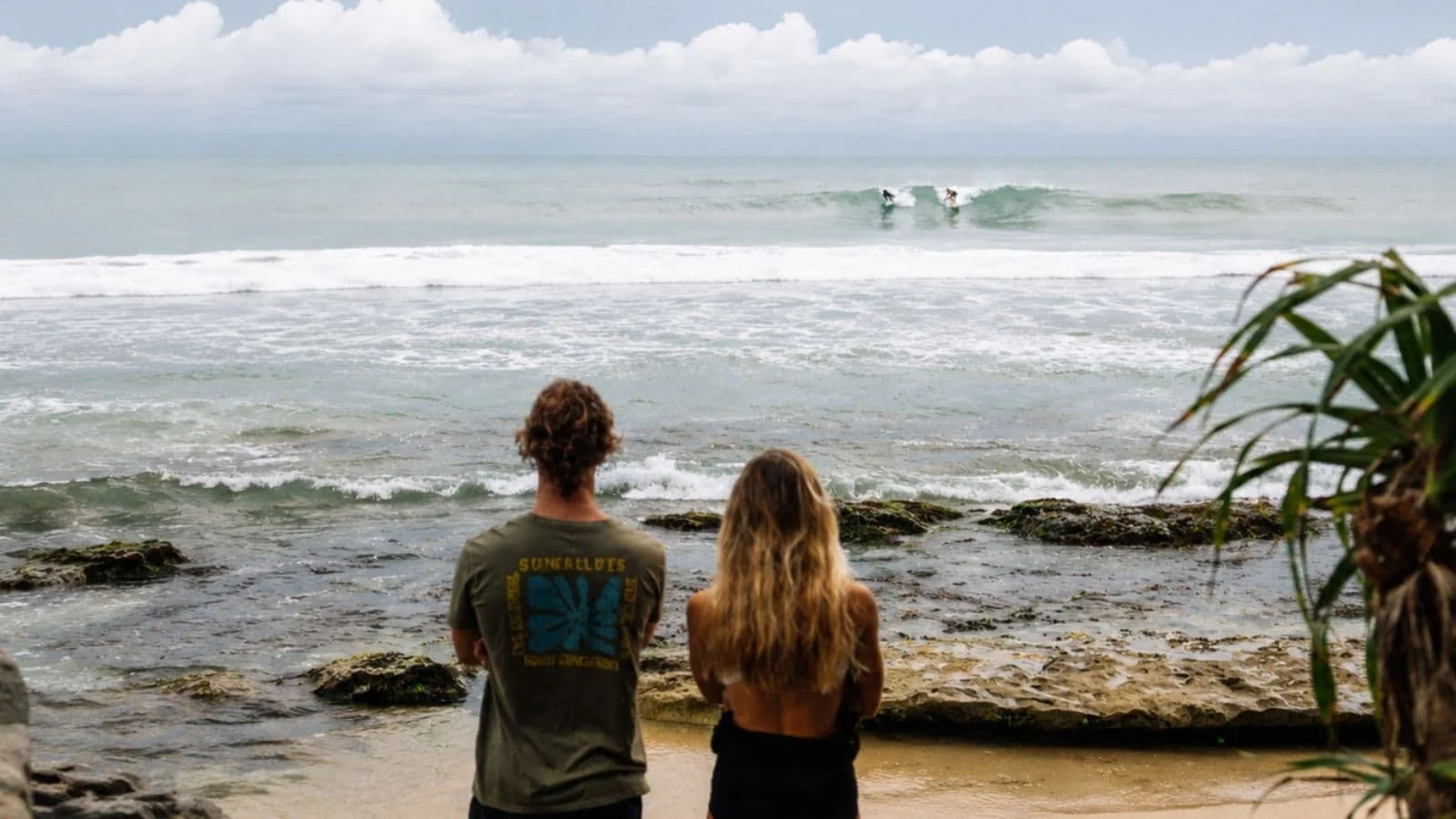
Layback is one of the locally owned surf camps in Sri Lanka, rooted in this coastline's surf community. That local knowledge lets us surf a wider variety of breaks, including spots not commonly used by other camps, and when we take you somewhere new, our coaches walk you through where to enter, where to exit, where to sit, and how the lineup works before you paddle out.
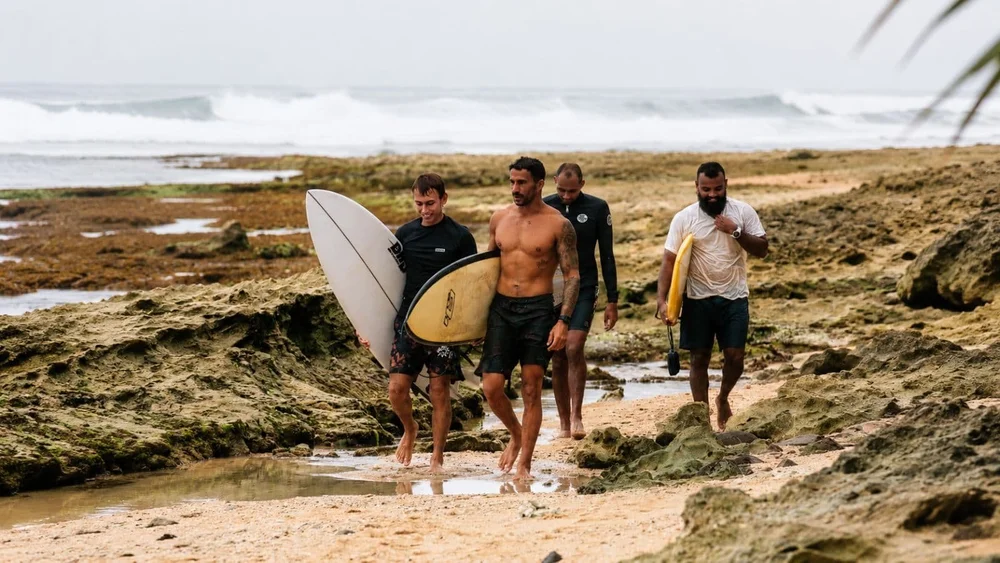
Discover Where We SurfAt intermediate level, your coach doesn't need to hold your board. They need to be able to watch you surf. Our smaller groups let coaches stay close enough to see your wave selection, positioning, take-off, line and technique in real time, so the feedback can become much more specific.
See what your surfing actually looks like
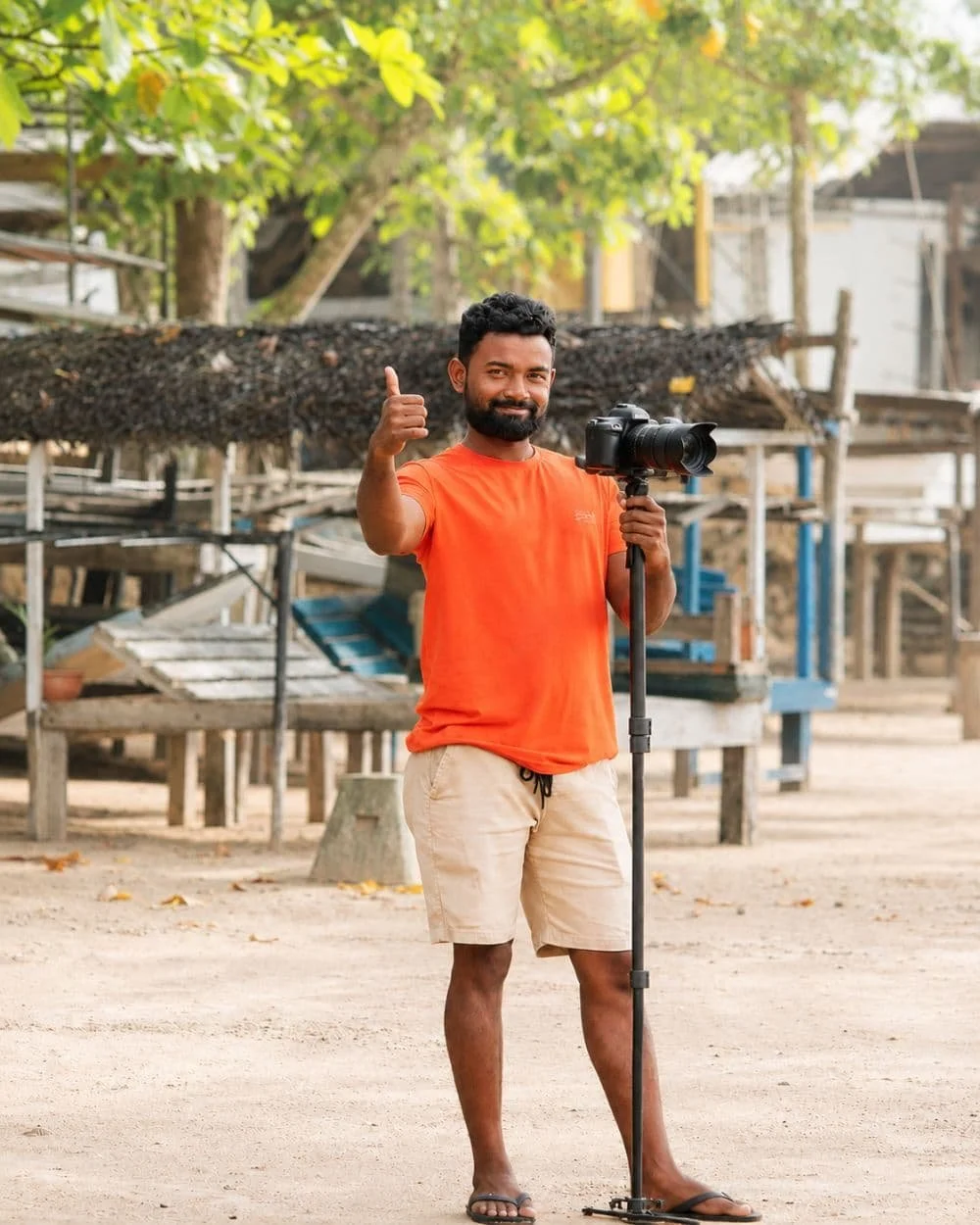
What you think you're doing and what your body is actually doing can be very different. Maybe you feel like you're compressing through your turn, you're not. Maybe you think you're looking down the line, you're looking at your board. Video makes these things visible. During your stay, selected sessions are filmed and reviewed with your coaches so you can identify what's working and what needs attention.
Slow the movement down
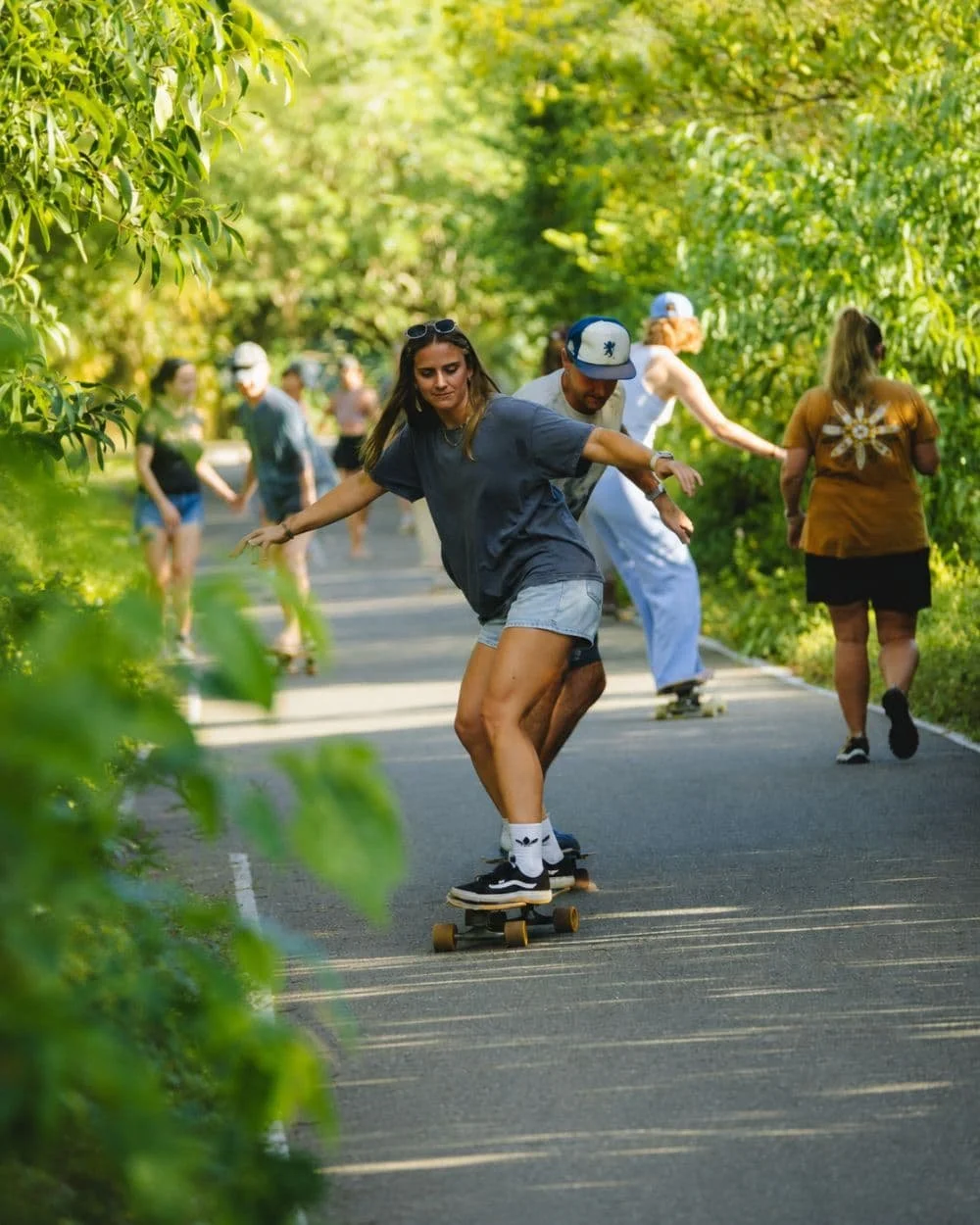
A wave might give you five seconds to practise a movement. A surfskate gives you fifty attempts. You'll have free access to our surfskates throughout your stay to break down movements that are difficult to understand while moving quickly on a wave, body position, compression and extension, rotation, bottom-turn movement, direction changes, generating speed. We sometimes bring surfskates into training sessions too, and our coaches often join guests for a skate session just for fun.
A controlled space to fine-tune what you already know
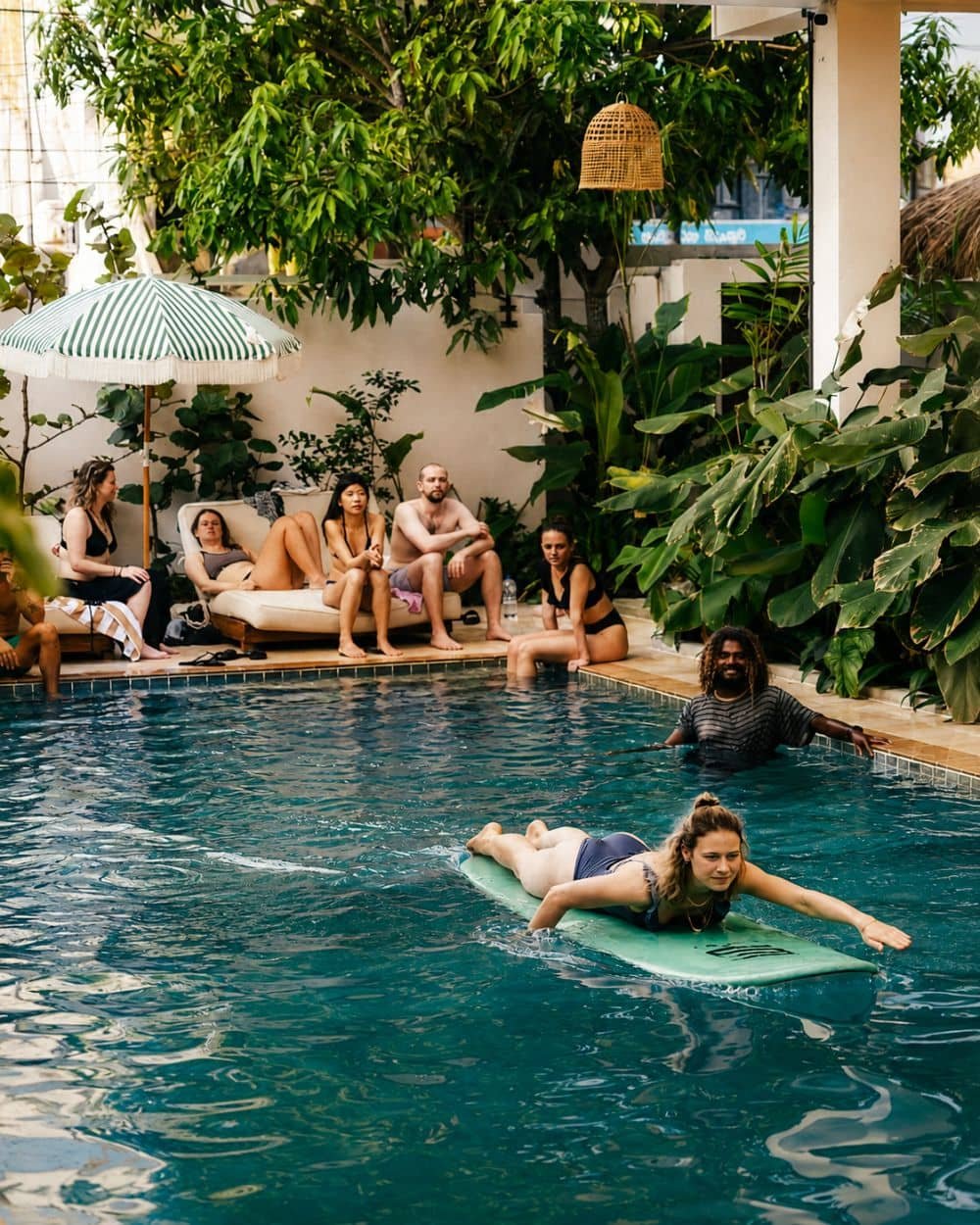
At intermediate level, pool sessions aren't about learning the basics again, they're about sharpening technique that's already there. Duck diving, breath-hold work and board control all get sharper with focused practice away from the unpredictability of the ocean.
If you switch to a different board size or shape as you progress, the pool is also a good place to get a feel for it first, how it paddles, how it turns, how it responds, before taking it out to catch waves.
Surf Theory That Matches Your Progress
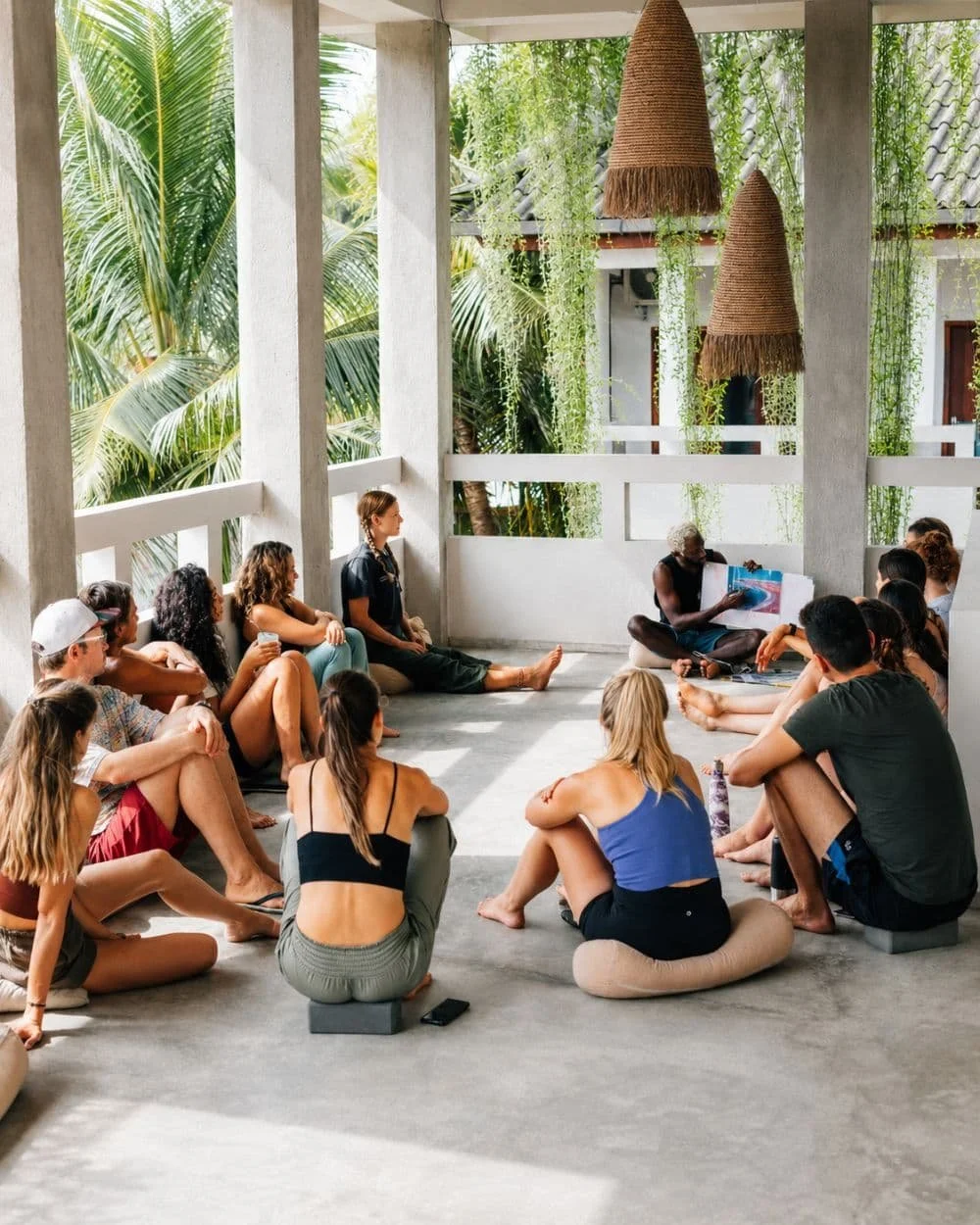
At this level, theory moves beyond the basics. We explore wave selection, line and speed, turning mechanics, reef break safety, and how to read a break you've never surfed before.
These sessions connect directly to what you're working on in the water that week, and to lessons inside the Surf Academy, so you can go deeper into the areas your coach identified during your latest sessions.
Got a question about something specific? That's exactly what these sessions are for.
You're covered too
Intermediate surfing doesn't automatically mean riding a shortboard. If longboarding is your thing, we have specialist longboard coaches who can help you develop a completely different set of skills: wave positioning, trimming, turning, footwork, cross-stepping, style and flow, and, when you're ready, progression towards the nose.
Explore Longboard Coaching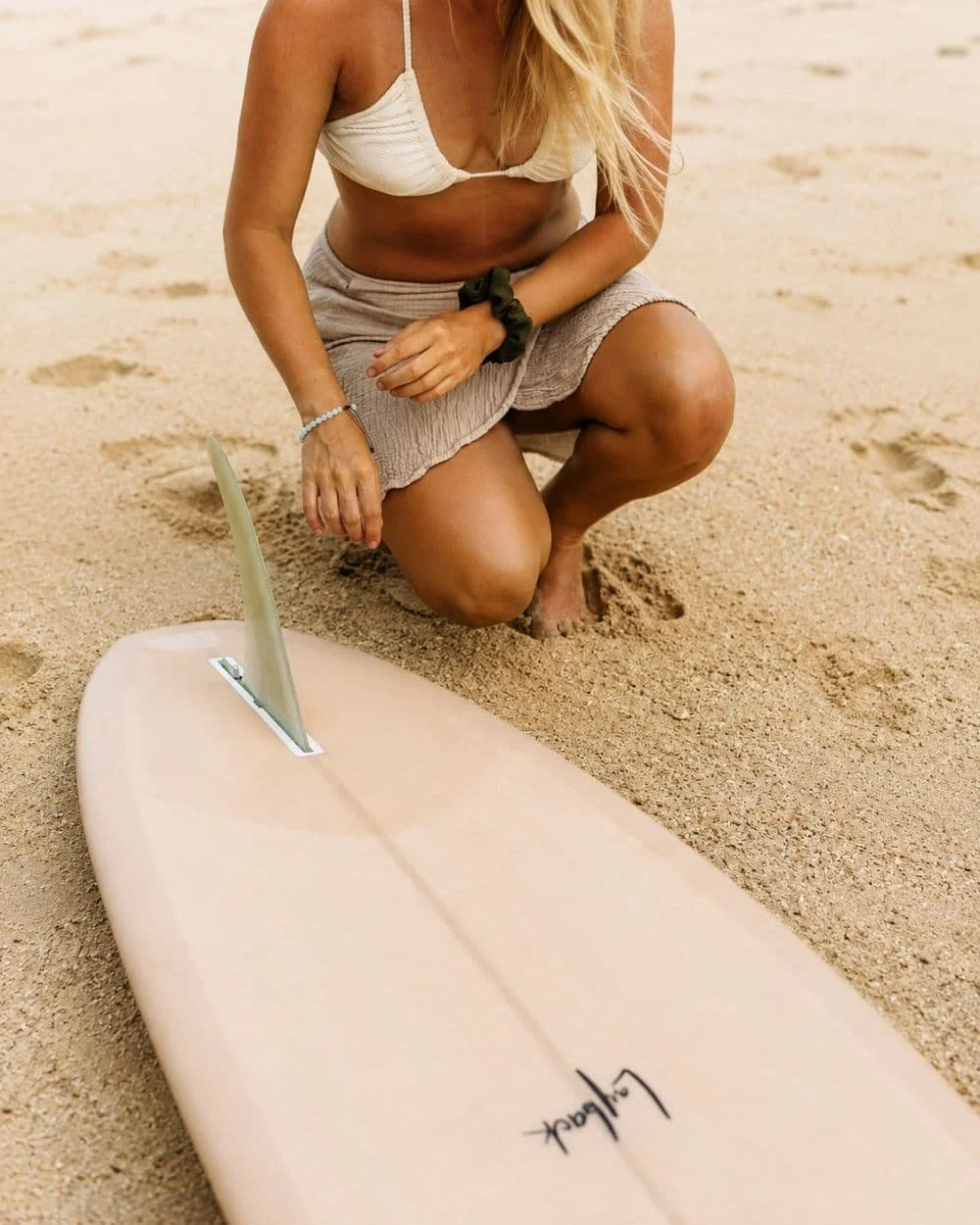
Your Board Isn't a Status Symbol
A smaller board doesn't automatically mean you're becoming a better surfer. At intermediate level, equipment starts playing a much bigger role in your progression, length, volume, width, shape, fin setup, wave type and your ability all affect how a board behaves.
Our coaches can help you understand what you're riding and whether it's actually helping you work towards your goals. Sometimes progression means trying a different board. Sometimes it means staying on the board you already have and learning to surf it better. The best board isn't the smallest one you can stand on.
Your coach can't explain all of that while a set is coming
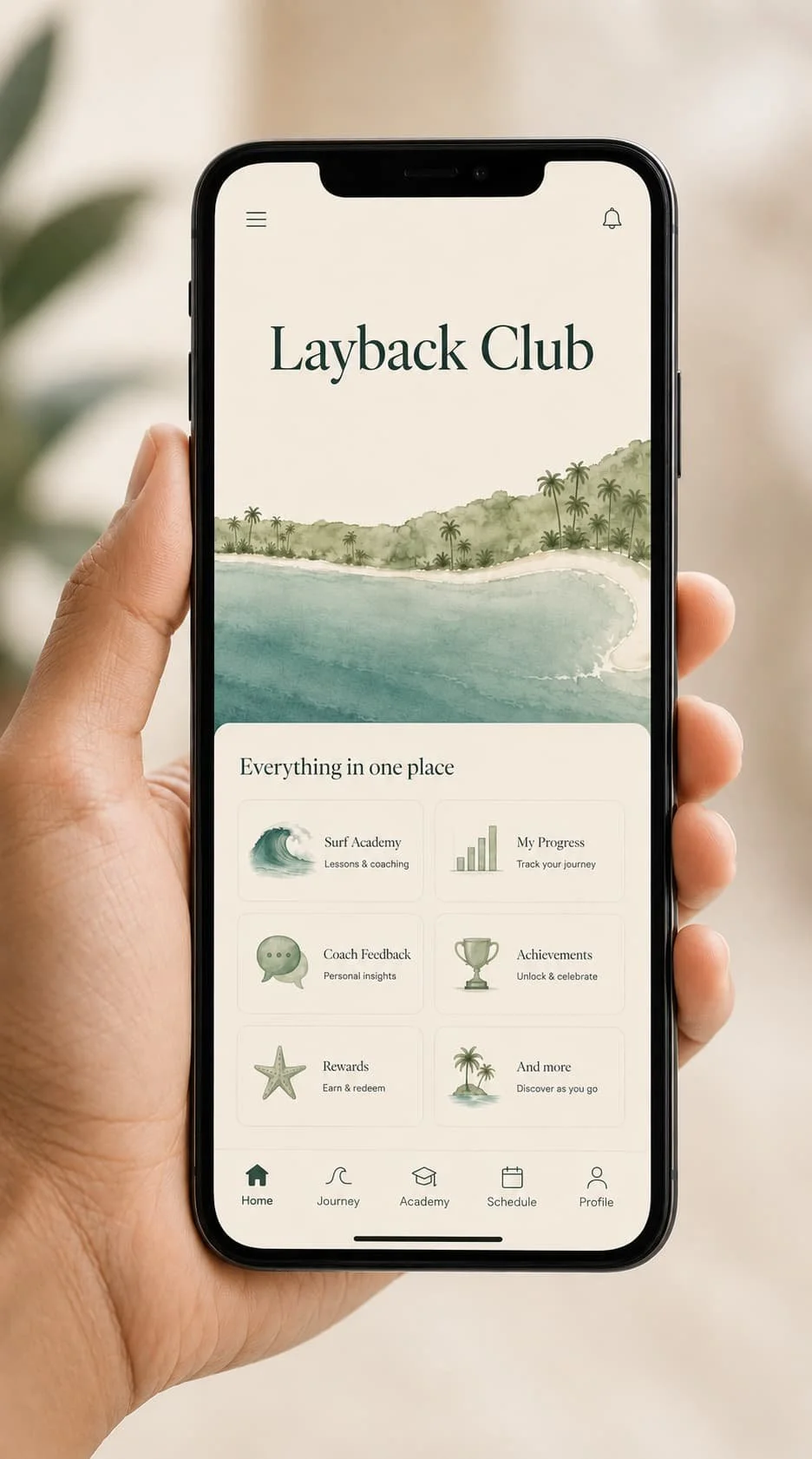
That's why every Layback guest gets private access to our growing Layback Surf Academy through Layback Club, with technical surf lessons and visual guides connecting what you're hearing from your coaches with the theory behind it, alongside tools to follow your own progression.
- Your Surf LevelSee where you currently sit within your progression.
- Personal GoalsSet goals yourself and work on goals recommended by your coaches.
- Coach FeedbackKeep track of what your coaches want you to focus on.
- SkillsFollow different areas of your surfing as they develop.
- AchievementsRecognise the milestones that don't always come with a new level.
What Does Progress Look Like?
It isn't necessarily intermediate → advanced. It might be smaller than that.
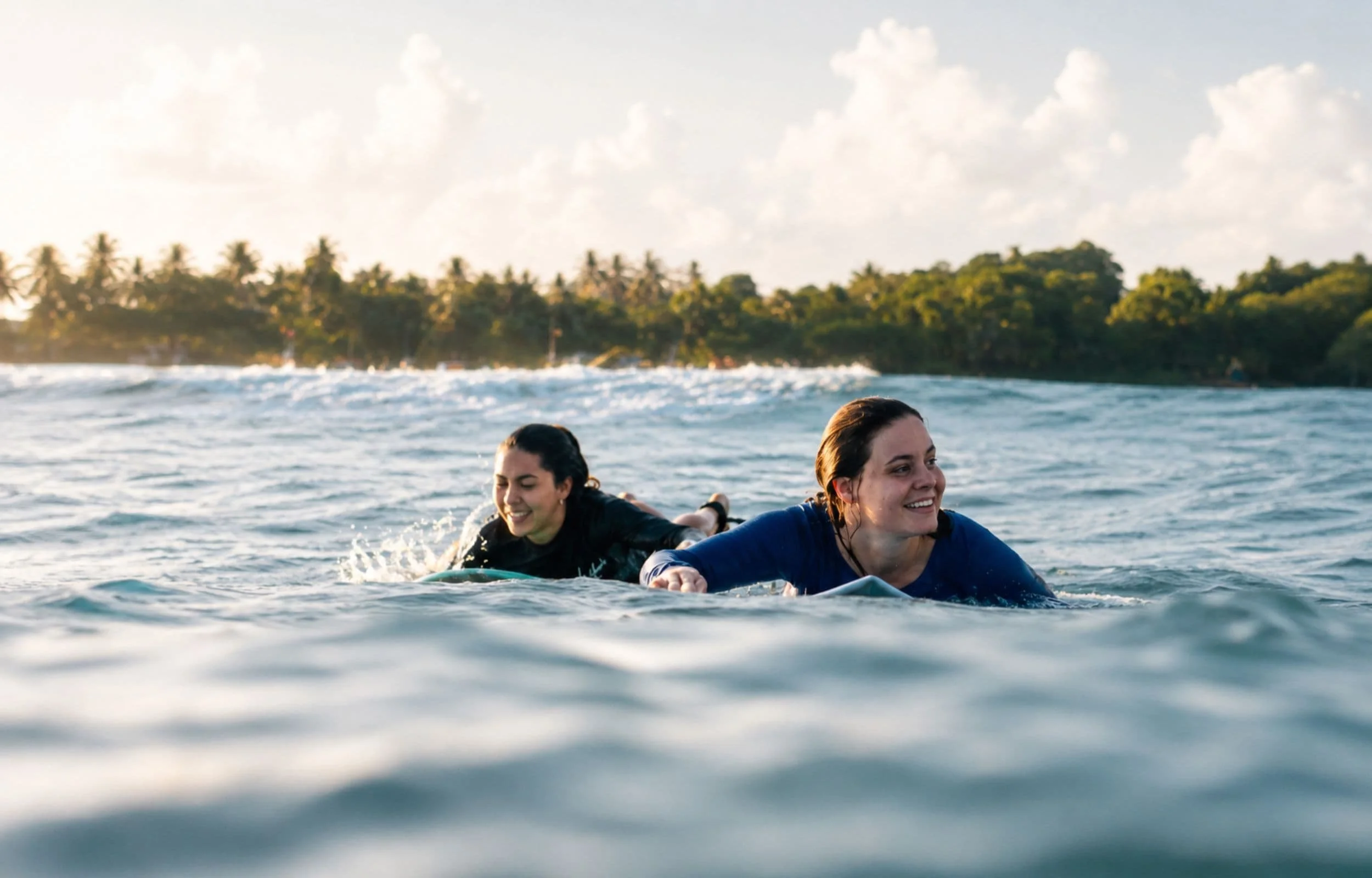
You already know how to catch a wave. Now let's see what you can do with it
Choose better waves. Find better positions. Understand different breaks. Generate more speed. Improve your turns. Learn from your footage. Surf more independently, surf more intentionally.
Intermediate Surfing FAQ
Surf group placement, coaching focus and surf locations depend on individual ability, conditions and safety. Progression timelines vary from guest to guest.